Top 10 Construction Vehicles for Sale in 2026?
Construction work in 2026 demands machines that fit the job, the site, and the budget. This guide explores ten Construction Vehicles buyers may encounter for sale, from compact excavators and skid steers to wheel loaders, bulldozers, and articulated dump trucks. The right choice depends on more than horsepower. A narrow access road, soft ground, or limited transport capacity can change what makes sense.
Each option should be judged by its working capacity, operating weight, attachment compatibility, fuel use, maintenance access, and parts support. For used equipment, hours on the meter tell only part of the story. Inspect the undercarriage, hydraulic lines, tires or tracks, service records, and signs of uneven wear. Ask for serial-number details and written specifications, then compare them with the machine itself. A clean cab helps, but it proves little.
Prices and availability vary by location, dealer, age, and condition, so this list is a starting point, not a buying verdict. No shortlist is perfect. Some buyers may value a lower purchase price; others need dependable uptime and nearby service. That trade-off deserves honest thought. Before committing, match the machine to real tasks and request an independent inspection when possible. Small details matter: a leaking cylinder or worn track can turn a tempting offer into costly downtime. The sections ahead explain what each vehicle does well, where it may fall short, and which checks deserve attention before purchase.
Define the 2026 List: Classify Earthmoving Machines Under ISO 6165
Top 10 Construction Vehicles for Sale in 2026?
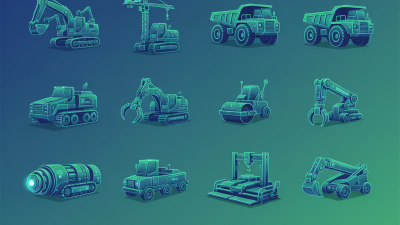
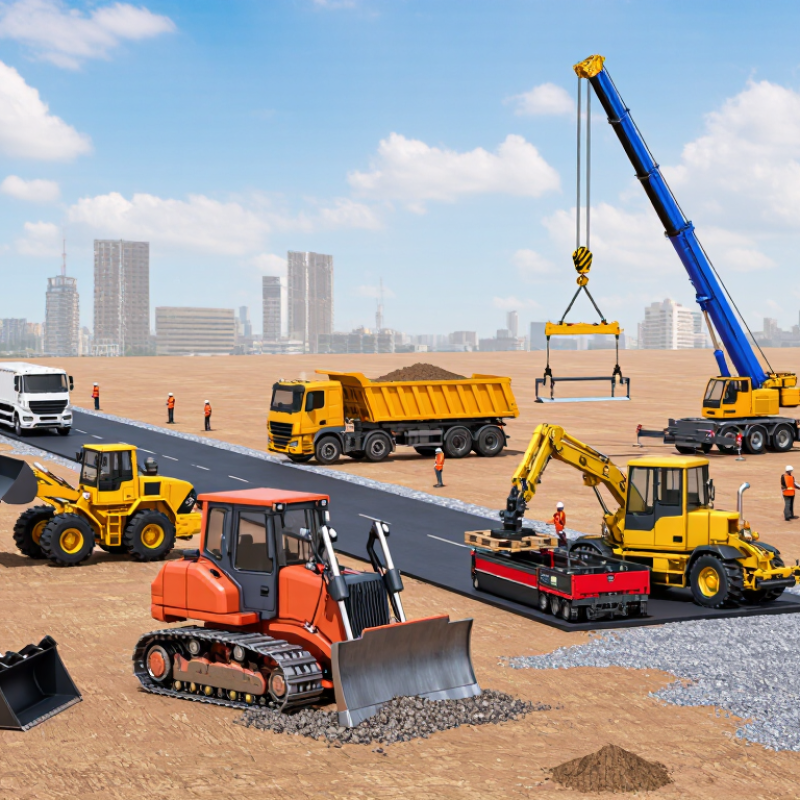
A practical 2026 list should begin with ISO 6165, not advertising claims. The standard classifies earthmoving machinery by design and intended function. For buyers, this creates a clearer comparison framework. The ten key types are excavators, loaders, backhoe loaders, crawler tractors, wheel tractors, dumpers, scrapers, graders, trenchers, and compactors. Each machine solves a different site problem.
Excavators suit deep digging, lifting, and confined work. Loaders move loose material quickly, while backhoe loaders combine digging and loading. Crawler tractors push soil across unstable ground. Wheel tractors travel faster on prepared surfaces. Dumpers carry material over rough routes. Scrapers cut, load, transport, and spread soil. Graders create precise slopes. Trenchers form narrow cuts. Compactors improve soil or asphalt density. ISO 6165 helps identify the machine type, but it does not rank quality or resale value. That distinction is easy to miss.
Tips: Match the machine to soil, access, and daily output. Check operating mass, attachment limits, travel speed, and service records. Ask for verified specifications. A low purchase price can hide high fuel use or expensive downtime. My early shortlist included only excavators and loaders, but that was too narrow. A grader or compactor may deliver greater value on a road project. Confirm the current ISO edition and local requirements before purchasing.
Top 10 Construction Vehicles for Sale in 2026
A practical buying shortlist of earthmoving machine classes aligned with ISO 6165 terminology, ranked by representative operating mass.
The values show the midpoint of typical operating-mass ranges commonly published for each machine class. Actual specifications vary by configuration, attachments, payload rating, and operating conditions. ISO 6165 is used here to classify the machine types rather than to rank manufacturers or brands.
Compare Excavators, Loaders, and Dozers by ISO 9249 Power and Operating Mass
Top 10 Construction Vehicles for Sale in 2026
For 2026 buyers, ISO 9249 power offers a clearer engine comparison than marketing horsepower. Operating mass shows how each machine may behave during digging, lifting, grading, or hauling. The ten strongest categories include compact excavators, standard excavators, wheel loaders, compact track loaders, skid steer loaders, crawler dozers, motor graders, backhoe loaders, articulated dump trucks, and telescopic handlers.
Power is not the whole story. A 20-ton excavator may deliver strong ISO 9249 net power, yet hydraulic flow, boom geometry, and counterweight design control digging output. A crawler dozer needs enough power to push through dense soil, while operating mass supports blade penetration and traction. Wheel loaders rely on a careful balance between engine power, tipping load, and tire grip. Compact machines can work in tight spaces, but their lower mass may reduce stability with heavy attachments.
Check the measurement details carefully. Some operating masses include a standard bucket, fluids, or a defined operator weight; others do not. That difference can distort comparisons. Field inspections should confirm cold-start behavior, undercarriage wear, attachment condition, and actual fuel use. A perfect ranking is impossible. Soil, slope, transport limits, and operator skill change the result. I would treat ISO 9249 power as a reliable starting point, not a final purchasing decision.
Assess Cranes and Telehandlers Using Rated-Capacity Load Charts
Construction vehicles may look comparable on a sales lot, but their load charts tell different stories. A crane’s rated capacity changes with boom length, working radius, counterweight, outrigger position, and lifting configuration. A seemingly modest load can exceed capacity when the radius grows by a few feet. Small details matter.
For cranes offered in 2026, match the chart to the exact machine setup, not a similar model or listing. Check whether capacity is gross, and include the hook block, rigging, and deductions stated in the manual. Confirm ground conditions and full outrigger deployment; uneven pads can make a chart-based estimate unsafe. Never extrapolate past chart limits.
Telehandlers need the same discipline. Capacity often falls as the boom extends and the load moves farther from the machine. Read the chart for the selected attachment, load center, and stabilizer position, if fitted. A pallet’s weight alone is not enough; forks and attachment weight may affect usable capacity. Check tire condition, level ground, and visibility before lifting. Reach matters.
Verify Diesel Listings Against EPA Tier 4 Limits, Hours, and Service Records
Top 10 Construction Vehicles for Sale in 2026?
A “Tier 4” label in a listing is only a starting point. EPA requirements vary by engine power and model year, so match the engine identification plate and family number to the seller’s paperwork.
The EPA’s Clean Air Nonroad Diesel Rule projected that fully phased-in standards would reduce particulate matter emissions by about 90% and nitrogen oxides by about 50% compared with earlier nonroad diesel levels. Those figures describe emissions standards, not proof that a used machine’s after-treatment system still works.
Check the hour meter against engine-control-module hours, where available. Then inspect cold-start behavior, exhaust smoke, warning lights, and evidence of frequent or interrupted DPF regeneration.
Small details matter. Request dated records for oil and fuel-filter changes, DPF cleaning, and DEF-system repairs; compare them with the machine’s hours and operating conditions. A tidy service folder helps, but gaps happen. Ask what caused them, and verify major repairs with invoices or a mechanic’s inspection.
Not just the meter. A low-hour machine with neglected maintenance may be a riskier purchase than one with higher hours and consistent records.

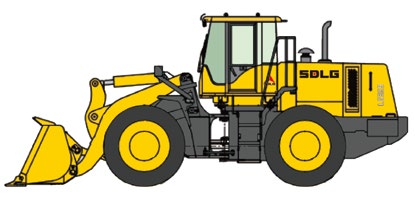 Wheel Loader
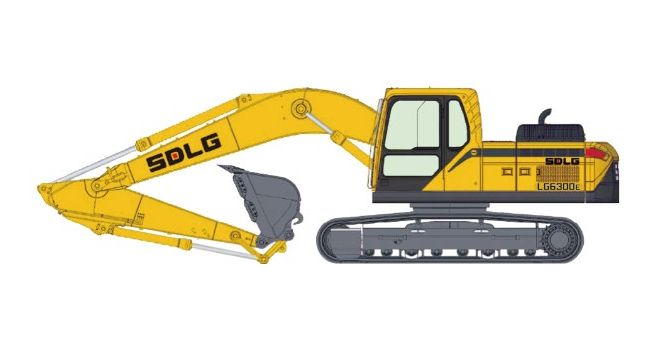 Excavator
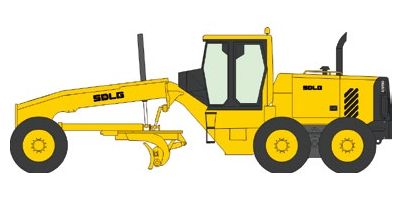 Motor Grader
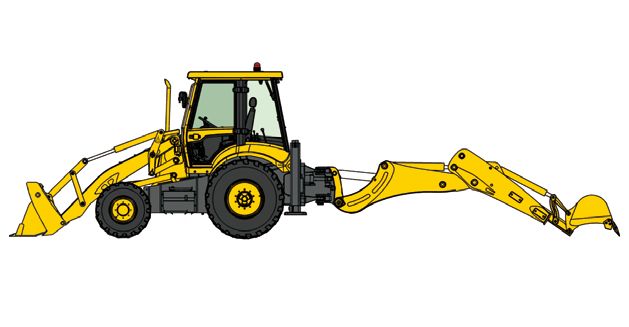 Backhoe Loader
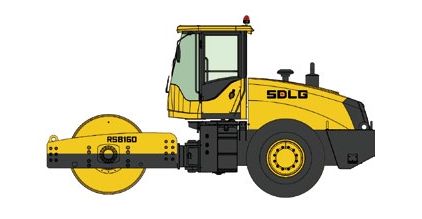 Road Roller
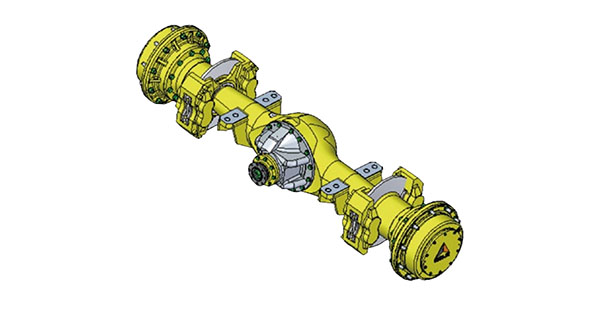 Spare Parts