Leave Your Message

What Is Sany Heavy Equipment Used For?

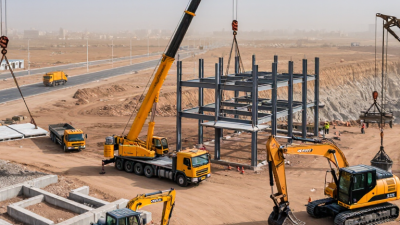
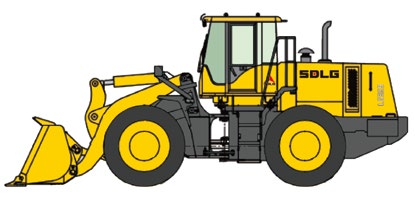
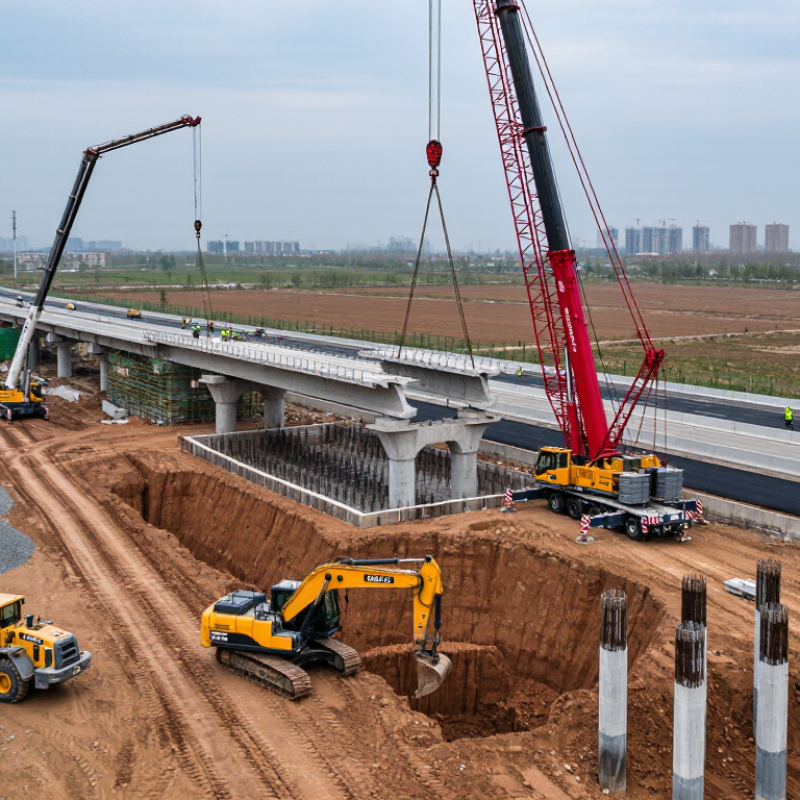
Sany Heavy Equipment is used where earth, steel, concrete, and time meet. Its excavators dig foundations, drainage trenches, quarries, and mine benches. Wheel loaders move aggregate around crushing plants and stockpiles. Crawler cranes lift bridge sections, wind-turbine components, and heavy industrial modules. Concrete pumps place wet concrete through long boom systems, often above crowded urban sites. Road machinery supports asphalt paving, soil compaction, and highway maintenance.

The market context is substantial. Off-Highway Research regularly tracks global construction-equipment demand, highlighting excavators, loaders, and cranes as core machine categories. Its industry analysis also connects equipment purchases with infrastructure investment, replacement cycles, and regional economic conditions. The Global Infrastructure Hub estimates that worldwide infrastructure investment needs will reach trillions of dollars annually through 2040. That pressure creates practical demand for productive, durable machines. However, demand alone does not prove suitability.

A machine’s real value depends on ground conditions, attachment choice, operator skill, service access, and total cost of ownership. The International Energy Agency’s reports on heavy transport and construction-sector decarbonisation also underline a growing concern: fuel consumption and emissions matter during long shifts. Sany’s electric and lower-emission equipment may fit selected urban or indoor projects, but charging capacity can limit deployment. That assumption can fail.

On a muddy highway project, an excavator’s hydraulic response, track stability, and dealer support may matter more than brochure horsepower. On a port, lifting precision and wind limits become critical. Sany Heavy Equipment therefore serves several industries, but responsible selection requires jobsite evidence, verified specifications, and lifecycle calculations—not brand reputation alone.
What Is Sany Heavy Equipment Used For?

What Is Sany Heavy Equipment?

Heavy equipment in this context means large construction machines produced by an industrial manufacturer. These machines support excavation, lifting, loading, grading, roadwork, and material handling. Common examples include excavators, wheel loaders, crawler cranes, motor graders, and concrete equipment. Their hydraulic systems convert engine power into controlled movement. A skilled operator can dig a narrow trench or place heavy materials with surprising accuracy.

On a real construction site, an excavator may remove soil beside a foundation while a loader carries gravel nearby. A crane can lift steel beams, but its safe capacity changes with boom length, ground conditions, and working radius. These details require trained operators, inspection records, and clear communication. Equipment specifications should be checked against the project plan, local safety rules, and site conditions. A machine that works well on firm ground may perform poorly on wet soil.

Maintenance also defines what this equipment is. Daily checks often include hydraulic leaks, tire or track condition, fluid levels, alarms, and attachment pins. Small defects can become expensive failures. I once assumed larger machinery always improved productivity, but that view was incomplete. Tight urban sites may need compact equipment, not maximum power. Fuel use, transport limits, operator experience, and access width can matter more than impressive lifting capacity. Performance is practical, not merely powerful.

Which Industries Use Sany Heavy Equipment?

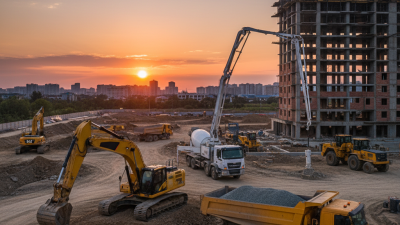
Heavy equipment serves many industries, but construction remains its most visible workplace. Contractors use excavators for foundations, drainage trenches, and demolition preparation. Wheel loaders move soil, gravel, and broken concrete across busy sites. Cranes lift steel frames, pipes, and prefabricated sections into position. On a road project, graders shape the surface before rollers compact each layer.

Infrastructure projects require different strengths. Bridge builders need stable lifting equipment and precise control near rivers or traffic. Utility crews use compact machines in narrow streets, where a large excavator may damage pavements or underground lines. Municipal departments also depend on loaders, sweepers, and dump trucks for snow removal, road repairs, and public works. Conditions change quickly. Operators must check ground pressure, visibility, and nearby workers before starting.

Mining and quarrying operations use larger excavators, haul trucks, and drilling equipment to move heavy materials. Port terminals rely on cranes and reach stackers to handle containers and bulk cargo. Agriculture uses telehandlers and loaders for feed, soil, and harvested crops. Energy projects need lifting machines for wind turbine components, pipelines, and site preparation. The right choice depends on load limits, terrain, fuel use, and service support.

The fit is not always perfect. A powerful machine can become inefficient on a small urban site. Field teams should review maintenance records, operator training, attachment needs, and local conditions before purchase. Small details matter. A clean camera lens can improve safety. A realistic service plan can prevent costly downtime.

What Types of Sany Machines Are Commonly Used?

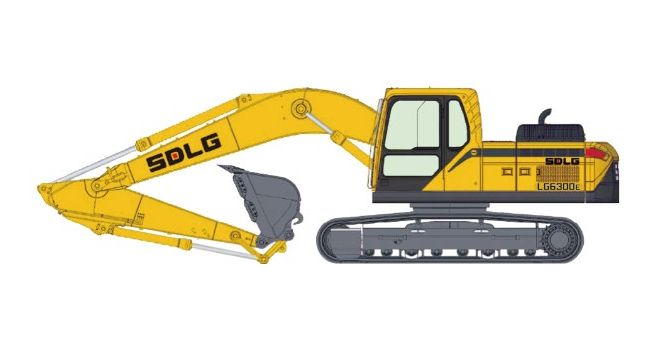
What types of Sany machines are commonly used? In practice, the answer depends on ground conditions, lifting needs, and project scale. Excavators remain the most familiar choice. Their hydraulic arms dig trenches, load trucks, and remove broken concrete. Compact excavators fit narrow urban sites, while large crawler excavators handle deep foundations and quarry work.

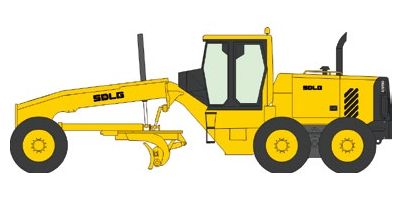
Wheel loaders move aggregates quickly between stockpiles and mixing areas. Motor graders create smoother road surfaces, although skilled operators still matter more than machine size. Crawler cranes lift steel beams, precast panels, and heavy pipes.

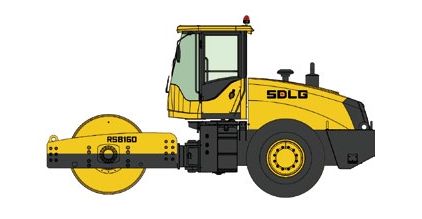
Rough-terrain cranes suit uneven sites, but their setup requires careful ground checks. Rollers compact asphalt and soil in visible passes, leaving a firm, level finish.

A 2024 Yellow Table industry report placed global construction-equipment sales above US$240 billion in 2023. Excavators, loaders, and material-handling machines represented major portions of that market. Off-Highway Research also identifies excavators as a leading equipment category worldwide, supported by infrastructure and replacement demand.

These figures show scale, not suitability. A large machine can waste fuel on a small project. It may also damage soft ground. Telehandlers, articulated dump trucks, concrete pumps, and piling rigs fill more specialized roles. The choice is rarely perfect. Operators must compare cycle time, transport limits, maintenance access, fuel use, and attachment compatibility before selecting equipment.

How Does Sany Equipment Support Construction Projects?

Construction equipment supports projects by turning difficult site conditions into manageable, measurable work. Excavators open foundations, loaders move aggregate, and cranes position structural materials at height. Compaction equipment strengthens soil beneath roads and slabs. Each machine reduces manual handling and helps crews maintain consistent production.

The numbers show why efficiency matters. The 2024 Global Status Report for Buildings and Construction reports that buildings and construction consume 32% of global energy and produce 34% of global carbon emissions. Fuel-efficient engines, suitable attachments, and reduced idle time can lower operating waste. However, a larger machine is not always better. It may consume more fuel, damage soft ground, or create unnecessary transport costs. That is an easy mistake on busy sites.

Project teams should match equipment capacity to soil conditions, lift distances, access limits, and daily output targets. Telematics can track fuel use, engine hours, location, and maintenance alerts. Those details support better decisions, though sensors cannot replace an experienced operator. The McKinsey Global Institute has reported construction labor productivity growth at roughly 1% annually over recent decades, far below manufacturing. Equipment can help close that gap, but only when planning, training, and maintenance work together. A neglected hydraulic system can stop an entire work zone. Small delays become expensive quickly.

What Factors Influence the Choice of Sany Heavy Equipment?

Choosing heavy equipment depends on the worksite, not just the machine’s advertised power. Excavation projects may require strong digging force, while road construction often demands stability and precise grading. Soil type matters too. Wet clay can slow a machine that performs well on dry gravel. Available space is another practical concern. A large excavator may offer greater output but struggle between narrow buildings.

Daily operating costs influence the decision just as strongly. Fuel consumption, scheduled servicing, tire or track wear, and spare-part availability should be reviewed together. A machine with a lower purchase price can become expensive when repairs interrupt a project. Local technician support also matters. Waiting several days for a specialized component can leave operators and trucks idle. That cost is easy to underestimate.

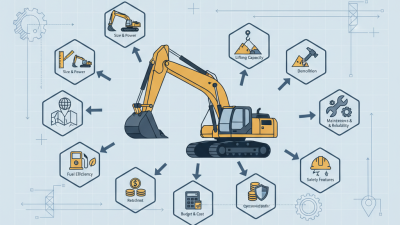
Safety, operator experience, and attachment compatibility deserve careful attention. A skilled operator may achieve better results with a familiar control system than with a more powerful unfamiliar machine. Cab visibility, stability, braking response, and load limits should be checked before work begins. Electronic monitoring can help track hours and maintenance, but it cannot replace inspections. Field assessments sometimes expose poor assumptions. I have seen teams choose equipment by maximum capacity alone, then struggle with transport restrictions and limited access. A better choice matches real site conditions, expected workload, budget limits, and the people who will operate and maintain it.

What Is Sany Heavy Equipment Used For? - What Factors Influence the Choice of Sany Heavy Equipment?

Application Area Typical Work Common Equipment Type Important Performance Requirements Key Selection Factors
Earthmoving and Excavation Digging foundations, trenches, basements, and drainage channels Hydraulic excavator Digging depth, bucket capacity, hydraulic flow, and lifting capability Soil type, excavation depth, site access, required production rate, and attachment needs
Material Loading and Stockpiling Loading soil, sand, gravel, aggregates, and construction waste Wheel loader Payload, bucket volume, breakout force, cycle time, and maneuverability Material density, haul distance, loading height, ground conditions, and fuel consumption
Road Construction Preparing subgrades, moving aggregate, grading surfaces, and compacting road layers Motor grader, wheel loader, and soil compactor Grading accuracy, blade control, compaction force, and operating stability Road width, material thickness, required surface tolerance, terrain, and project schedule
Mining and Quarrying Removing overburden, loading blasted rock, hauling materials, and site preparation Large excavator, mining truck, and wheel loader High breakout force, payload capacity, durability, uptime, and safe operation on uneven terrain Rock density, haul distance, bench height, climate, duty cycle, and maintenance support
Building Construction Site clearing, foundation work, material handling, and structural lifting Compact excavator, rough-terrain crane, and telehandler Compact dimensions, lifting height, rated load, stability, and attachment versatility Available workspace, load radius, ground bearing capacity, height restrictions, and safety rules
Demolition and Recycling Breaking concrete, dismantling structures, sorting debris, and loading recyclable materials Excavator with breaker, grapple, or shear attachment Hydraulic attachment compatibility, reach, stability, impact resistance, and operator visibility Structure height, material strength, demolition sequence, noise limits, and waste-handling requirements
Utility and Pipeline Work Installing water lines, sewer pipes, cables, and underground utility systems Mini excavator, compact excavator, and trench compactor Precise control, narrow tail swing, trenching depth, and low ground pressure Trench dimensions, proximity to existing utilities, urban access, soil stability, and transportability
Agriculture and Land Development Land clearing, pond construction, irrigation work, grading, and material handling Crawler excavator, bulldozer, and wheel loader Traction, drawbar pull, ground clearance, operating reach, and attachment flexibility Terrain slope, soil moisture, seasonal workload, transport requirements, and operating cost
Port and Industrial Handling Moving bulk materials, containers, scrap, and production inputs Material handler, wheel loader, and mobile crane Rated load, lift height, reach, cycle time, stability, and continuous-duty performance Material type, load radius, operating surface, working hours, emissions requirements, and safety standards
Emergency and Disaster Recovery Removing debris, reopening roads, flood-control work, and restoring damaged infrastructure Excavator, loader, bulldozer, and mobile crane Rapid deployment, reliability, all-terrain mobility, lifting capacity, and attachment interchangeability Urgency, accessibility, weather, terrain hazards, transport logistics, and local service availability
Decision Factor Why It Matters Typical Evaluation Criteria
Jobsite Conditions Ground and weather conditions affect traction, stability, productivity, and wear. Soil type, slope, available space, ground bearing capacity, temperature, and rainfall
Required Capacity The machine must safely handle the intended material, load, depth, height, or reach. Operating weight, bucket capacity, rated load, digging force, lifting height, and reach
Production Target Higher project output may require larger capacity, faster cycle times, or multiple machines. Required volume per hour, cycle time, utilization rate, haul distance, and project deadline
Fuel and Operating Efficiency Fuel use and idle time strongly influence total ownership and operating costs. Fuel consumption, engine power, hydraulic efficiency, idle-control features, and duty cycle
Attachments and Versatility A compatible attachment system allows one machine to perform several tasks. Quick coupler compatibility, hydraulic flow, breaker capacity, grapple support, and tool availability
Transport and Mobility Machine dimensions and travel capability affect relocation time and logistics costs. Overall width, transport weight, road speed, turning radius, undercarriage type, and access restrictions
Maintenance and Support Easy maintenance and timely parts support help reduce downtime. Service intervals, parts availability, technician access, diagnostics, warranty terms, and training
Safety and Compliance Equipment must meet workplace safety, emissions, noise, and lifting regulations. Visibility, rollover protection, rated capacity indicators, emissions tier, noise limits, and local regulations
Total Cost of Ownership The purchase price is only one part of the machine's long-term financial impact. Purchase or rental cost, fuel, maintenance, tires or tracks, depreciation, downtime, and resale value