How to Choose a Hitachi Wheel Loader?
Choosing a Hitachi Wheel Loader begins with the job, not the brochure. A machine moving crushed stone in a quarry faces different demands than one loading soil on a construction site. Start by measuring material density, loading height, travel distance, and daily production targets. These details reveal the required bucket size, operating weight, engine output, and hydraulic performance.
Look closely at the working environment. Mud, sharp rock, tight yards, and steep access roads can change the right configuration. A larger bucket may improve output, but it can also increase fuel use and tire wear. Bigger is not always better. Experienced operators often notice practical details first, such as cab visibility, joystick response, step access, and the effort required during long shifts. Small discomforts become expensive over time.
A reliable choice also depends on service support. Review maintenance intervals, parts availability, technician response times, and warranty conditions with an authorized dealer. Ask for documented fuel consumption and productivity data from comparable applications. Manufacturer specifications matter, but site evidence matters more. If possible, inspect a working unit and examine the articulation joint, tires, bucket edges, hydraulic lines, and cooling system. Do not skip the service history.
The best Hitachi Wheel Loader balances production, safety, operator comfort, ownership cost, and future resale value. Consider financing, scheduled maintenance, downtime risk, and local operating requirements before signing a purchase agreement. No selection method is perfect. Soil conditions change, operators differ, and estimated production can be optimistic. A careful review, supported by qualified professionals, helps turn uncertain numbers into a defensible equipment decision.
Understand Hitachi Wheel Loader Types and Their Intended Uses
How to Choose a Hitachi Wheel Loader?
Understand Wheel Loader Types and Their Intended Uses
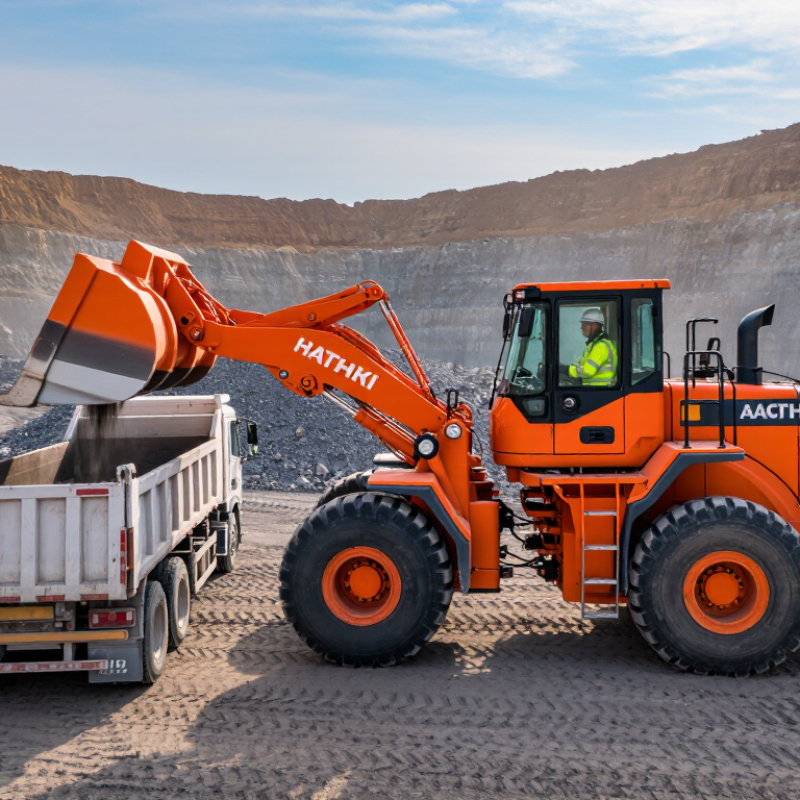
Choosing a wheel loader starts with the worksite, not the machine’s appearance. A standard wheel loader suits aggregate yards, road construction, and general material handling. Its bucket balances capacity, stability, and travel speed. For tight urban sites, a compact loader offers better visibility and easier maneuvering. It may sacrifice some lifting power.
High-lift loaders work well when materials must reach tall hoppers or truck bodies. Their extended arms provide extra height, but they can reduce stability with heavy loads. A waste-handling loader needs sealed components, protective guards, and suitable tires. These features help control dust and sharp debris. Forestry and quarry operations demand stronger protection and specialized attachments.
Match the loader to the material’s density. One cubic meter of sand is not equal to one cubic meter of crushed stone. Check rated operating capacity, tipping load, bucket shape, and hydraulic flow. An attachment may improve productivity, but it can also change balance and visibility. Speak with experienced operators and review service records before deciding. Small details matter.
I have seen buyers choose a larger loader for occasional heavy tasks. That choice often increases fuel use and tire wear. A smaller machine can be the better daily tool. Still, site conditions change, and no chart captures every problem. Test the loader on real ground, with real material, before committing. Safety procedures and local regulations must guide the final selection.
How to Choose a Hitachi Wheel Loader? Understand Wheel Loader Types and Their Intended Uses
Compare typical wheel loader classes by operating weight and bucket capacity. Compact loaders suit landscaping and confined sites, while larger loaders are designed for quarrying, mining, and high-volume material handling.
The figures are representative industry values for commonly used loader classes. Actual specifications vary by configuration, attachment, tire selection, and operating conditions.
Compare Key Features, Attachments, and Operator Comfort
Choosing a wheel loader starts with the worksite, not the brochure. Compare rated operating capacity, breakout force, cycle time, and fuel use. These figures reveal whether the machine suits stockpiles, roadwork, or confined yards. Check hydraulic flow before selecting attachments. A high-flow circuit may support brooms, breakers, and cold planers, while standard flow suits buckets and forks. Do not trust a universal attachment list.
Bucket shape matters. A general-purpose bucket handles mixed material, but a light-material bucket moves greater volume. Forks need clear visibility and stable load control. Quick couplers save minutes, though poor alignment can create frustrating delays. I would test the coupler personally. Small controls can matter more than impressive specifications.
Operator comfort affects consistency across long shifts. NIOSH’s Criteria for a Recommended Standard: Occupational Noise Exposure identifies 85 dBA over eight hours as a recommended exposure limit. Ask for measured cab noise, not vague comfort claims. The cab should provide adjustable suspension, low-effort joysticks, clear mirrors, and strong sightlines around the bucket. Visibility is practical, not decorative. The U.S. Bureau of Labor Statistics reported 1,075 fatal injuries in construction and extraction occupations during 2023. That figure does not prove one loader is safer, but it supports careful access, visibility, and control checks. A smoother seat may still fail if steps become slippery or controls feel awkward. Inspect those details before purchase.
Select the Right Hitachi Wheel Loader for Your Worksite
How to Choose a Hitachi Wheel Loader? Select the Right Hitachi Wheel Loader for Your Worksite
Choosing the right wheel loader starts with the worksite, not the brochure. Check material density, haul distance, ground conditions, and loading height. A high-horsepower machine may waste fuel on short stockpile cycles. A smaller loader may struggle with wet clay or oversized rock. Compare rated operating capacity and tipping load using ISO 14397 guidance. Then review bucket size, hydraulic flow, breakout force, and turning radius. These details affect every pass.
Labor availability also matters. The Associated General Contractors’ 2024 Workforce Survey reported that 94% of contractors struggled to fill hourly craft positions. Simple controls, clear visibility, and easy daily checks can reduce training pressure. The U.S. Bureau of Labor Statistics projects 4% growth for heavy equipment operators from 2023 to 2033. Reliable uptime is not a luxury. It protects scarce operator hours. I once treated bucket capacity as the main answer. That was too simple. Cycle time and site traffic changed the result.
Tips: Measure one complete loading cycle. Record idle time, payload, fuel use, and operator feedback. Test the loader on your actual surface. Ask for service intervals, parts response times, and attachment compatibility. Do not guess. A slightly smaller machine may perform better when access is tight, while a larger model may win on continuous quarry loading. Recheck the decision after one week of real production.
How to Choose a Hitachi Wheel Loader? - Select the Right Hitachi Wheel Loader for Your Worksite
| Loader Class |
Operating Weight |
Rated Load |
Bucket Capacity |
Typical Engine Power |
Typical Breakout Force |
Best-Suited Worksite |
Key Selection Consideration |
| Compact |
5–8 t |
1.5–2.5 t |
0.8–1.5 m³ |
50–90 kW |
45–80 kN |
Urban construction, landscaping, utility work, farmyards, and confined sites |
Choose this class when maneuverability, low ground disturbance, and transportability are more important than maximum production. |
| Small General-Purpose |
8–13 t |
2.5–4.0 t |
1.5–2.5 m³ |
90–140 kW |
80–130 kN |
Road construction, aggregate yards, commercial building sites, and material handling |
A practical option for mixed duties when the worksite requires a balance between operating cost, lifting ability, and cycle time. |
| Medium Production |
13–20 t |
4.0–6.0 t |
2.5–4.0 m³ |
140–220 kW |
130–210 kN |
Quarries, large earthmoving projects, recycling facilities, and high-volume stockpiles |
Select this class for regular truck loading and demanding digging where high hourly output is required. |
| Large Production |
20–35 t |
6.0–10.0 t |
4.0–7.0 m³ |
220–350 kW |
210–350 kN |
Large quarries, mines, major infrastructure projects, and continuous truck-loading operations |
Best when material volume, haul-road efficiency, and high production per operating hour justify the larger machine. |
| Heavy-Duty |
35–60 t |
10.0–18.0 t |
7.0–12.0 m³ |
350–550 kW |
350–600 kN |
Large-scale mining, major aggregate operations, and continuous handling of dense materials |
Use this class only when infrastructure, haul roads, loading targets, service support, and transport arrangements can accommodate the machine. |
|
Important: The figures above are typical industry ranges for wheel-loader classes, not specifications for a particular model. Actual performance depends on configuration, bucket type, material density, lift-arm arrangement, tire selection, operating altitude, and worksite conditions. Match the loader to the required payload, truck height, travel distance, ground conditions, and daily production target.
|

 Wheel Loader
 Excavator
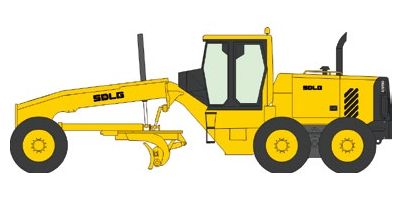 Motor Grader
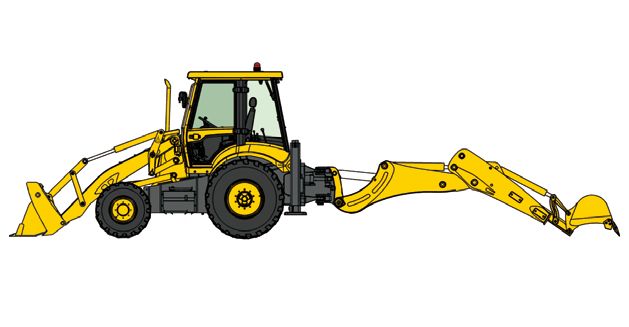 Backhoe Loader
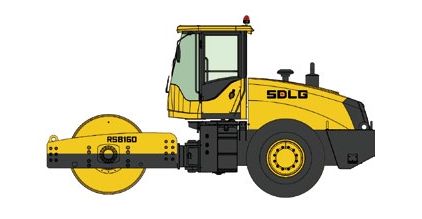 Road Roller
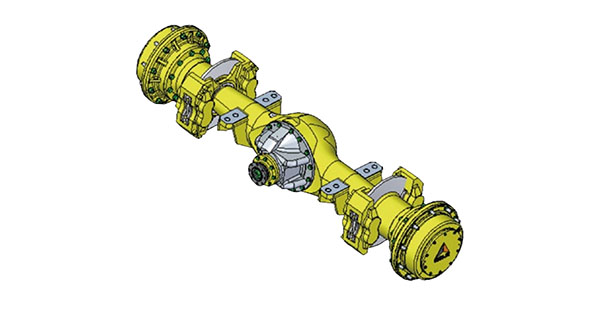 Spare Parts