Top Construction Vehicles Trends to Watch in 2026?
The construction industry is evolving rapidly, and construction vehicles are at the forefront of this transformation. By 2026, we can expect considerable advancements in vehicle technology and design. Electric and hybrid construction vehicles are gaining popularity. These options promote sustainability and reduce operational costs. Innovations in vehicle tracking and management systems enhance efficiency on job sites.
Emerging trends also emphasize automation and robotics. Autonomous construction vehicles are being tested for various tasks. They can improve safety and speed up project timelines. However, integrating these advanced technologies presents challenges. Companies must balance cost and complexity with potential benefits.
The future of construction vehicles holds both exciting prospects and areas for careful consideration. Keeping up with these trends is crucial for industry professionals. Adopting new technologies could lead to improved productivity and safer work environments.

Emerging Technologies in Construction Vehicles for 2026
As the construction industry heads into 2026, several emerging technologies are transforming construction vehicles. Automation stands out as a game changer. According to a report by MarketsandMarkets, the construction robotics market is expected to reach $170 billion by 2026. Such advancements will enhance efficiency and reduce labor costs, but reliance on machine learning raises concerns about job displacement.
Electric vehicles (EVs) are another trend on the horizon. Analysts predict the electric construction vehicle segment will grow by 20% globally. This shift aims to reduce emissions. However, the charging infrastructure remains a challenge that needs addressing. Additionally, the durability of electric vehicles in harsh environments is still under scrutiny.
Integrating IoT technology into vehicles also plays a significant role. With sensors and data analytics, fleets can improve maintenance and reduce downtime by up to 30%. Yet, the integration can lead to data privacy issues that companies must navigate carefully. Overall, these technologies promise a bright future for construction, but challenges persist that warrant further exploration and adaptation.
Top Construction Vehicles Trends to Watch in 2026
Sustainable Practices Driving Construction Vehicle Innovations
As we look toward 2026, sustainable practices are reshaping the construction vehicle industry. Innovations in this area are becoming crucial for reducing the environmental impact of construction. More companies are adopting cleaner technologies, such as electric and hybrid vehicles. This transition fuels efficiency and supports eco-friendly policies.
Recycling materials and using biofuels represent some sustainable choices. However, challenges remain. Not every construction site can accommodate electric vehicles. Battery life and charging infrastructure need improvement. Transitioning to sustainable practices often requires substantial investment. Cost-effective solutions are vital to overcome these hurdles.
Collaboration is key in this evolution. Stakeholders must share insights and best practices. Training programs on operating new technologies are essential. Manufacturers, contractors, and policymakers must work together to implement sustainable vehicles. This collaborative effort will help us build a more sustainable future for construction.
Automation and Robotics: The Future of Construction Equipment
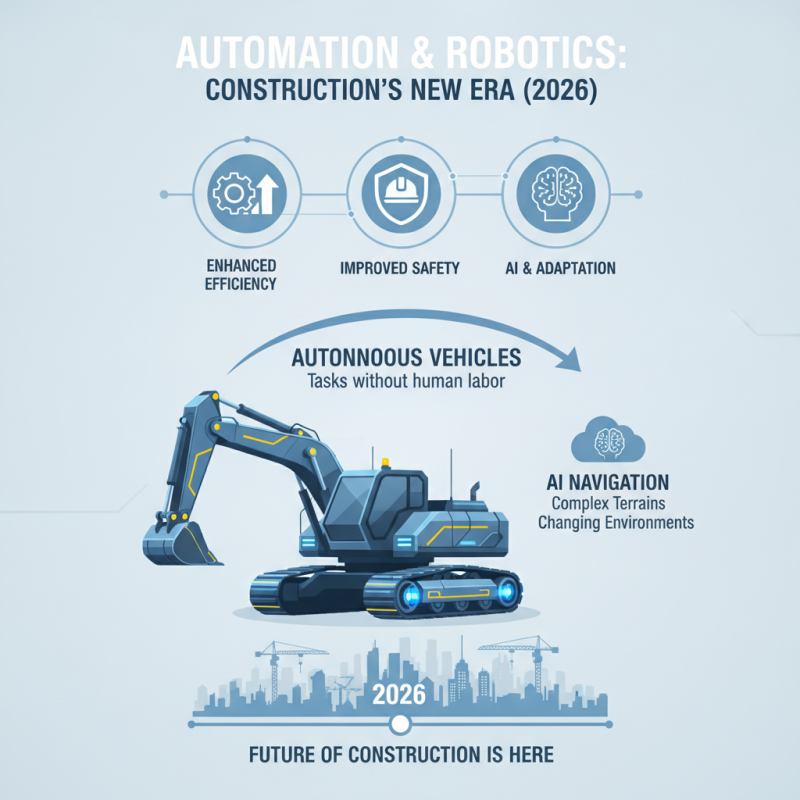
The future of construction is undeniably tied to automation and robotics. In 2026, advanced equipment will dominate job sites, enhancing efficiency and safety. Autonomous vehicles are expected to perform tasks that usually require human labor. With the help of AI, these machines can navigate complex terrains and adapt to changing environments.
Consider the role of drones in construction. They provide real-time data, monitor project progress, and ensure safety. This technology saves time and reduces costs. Construction managers should invest in training staff to work alongside these tools. Collaboration is key to maximizing their benefits.
**Tip:** Integrate technology gradually. Start with one or two robotic systems and evaluate their impact.
Moreover, robotics can reduce workplace injuries significantly. Machines can handle heavy lifting and difficult tasks. However, reliance on automation also raises concerns. Not all workers may adapt smoothly to these changes. It's crucial to foster an environment of continuous learning. Encourage open discussions about technology's role in the workforce.
**Tip:** Provide regular training sessions to ease transitions. Equip workers with skills to utilize new tools effectively.
The integration of automation is not without its challenges. As technology evolves, so do the expectations of the workforce. There's a need for balance between innovation and human expertise, ensuring everyone benefits from advancements in construction technology.
The Role of Electrification in Construction Vehicle Trends
The construction industry is undergoing significant transformation with electrification. As we approach 2026, this trend will become more pronounced. Electrification reduces emissions and enhances operational efficiency. It offers a cleaner alternative to traditional fuel-powered vehicles.
Electrified construction vehicles promise lower maintenance costs. They benefit from fewer moving parts compared to diesel engines. With advancements in battery technology, charging times are decreasing. This makes electric vehicles increasingly viable for construction sites. However, challenges remain. Some sites lack sufficient charging infrastructure.
Tips for transitioning to electric: Evaluate your current vehicle usage. Identify suitable electric models tailored for your needs. Train staff on the benefits and operation of electric vehicles. As the industry evolves, staying informed is crucial. Keep up with technological advancements for better decision-making.
Top Construction Vehicles Trends to Watch in 2026
| Trend |
Description |
Impact |
Estimated Adoption Rate by 2026 |
| Electrification |
Increasing use of electric-powered vehicles to reduce emissions. |
Lower environmental impact and operational costs. |
40% |
| Automation |
Utilization of autonomous vehicles to increase efficiency. |
Higher productivity and reduced labor costs. |
35% |
| Telematics |
Implementation of monitoring systems for real-time data tracking. |
Enhanced maintenance and operational decision-making. |
60% |
| Sustainability |
Focus on green building practices and sustainable materials. |
Improved public perception and compliance with regulations. |
55% |
| Hybrid Technology |
Combination of traditional and electric power sources for vehicles. |
Flexible energy solutions and reduced fuel consumption. |
30% |
Global Market Dynamics Influencing Construction Vehicle Developments
The construction vehicle market is evolving rapidly, influenced by various global dynamics. In 2026, the push for sustainability will lead to the increased adoption of electric and hybrid construction vehicles. Reports suggest that by 2025, about 30% of construction vehicles could be electric. This shift is driven by rising fuel costs and stricter environmental regulations.
Furthermore, the demand for automation in construction is reshaping vehicle designs. A recent study indicates that automated construction vehicles could reduce labor costs by up to 20%. Additionally, the integration of advanced technologies, such as IoT and AI, is enhancing the efficiency of these vehicles. However, these advancements require significant investment, which can be a barrier for smaller companies.
Economic factors also play a crucial role. The global construction market is projected to grow at a CAGR of 4.5% from 2022 to 2026. This growth invites innovation, driving manufacturers to enhance performance and durability. On the flip side, supply chain disruptions continue to challenge production timelines, forcing companies to adapt rapidly. The future of construction vehicles will be marked by both innovation and the need for strategic adjustments.

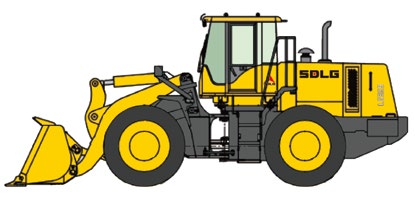 Wheel Loader
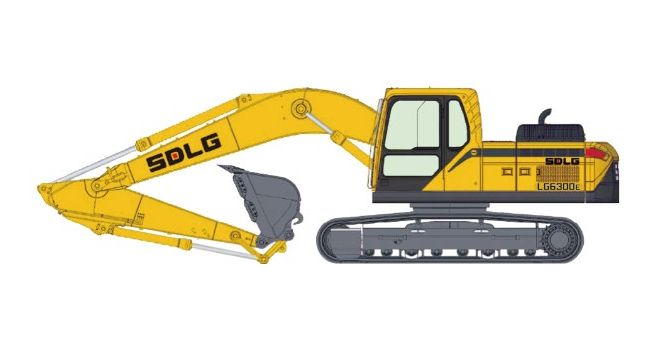 Excavator
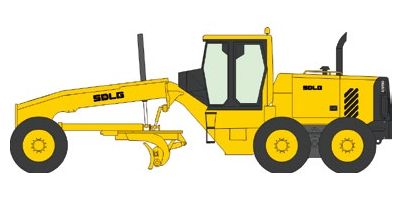 Motor Grader
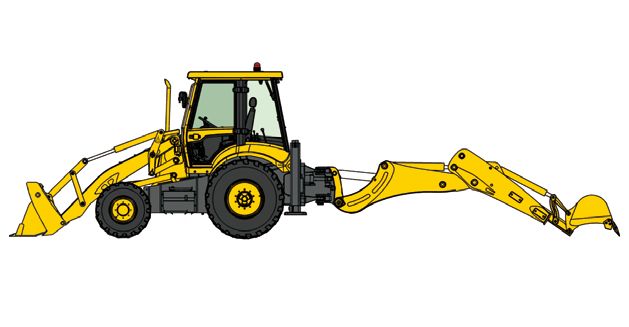 Backhoe Loader
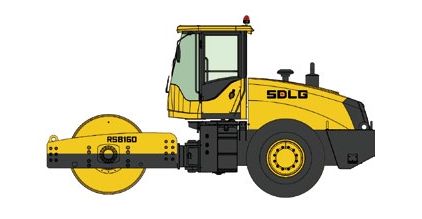 Road Roller
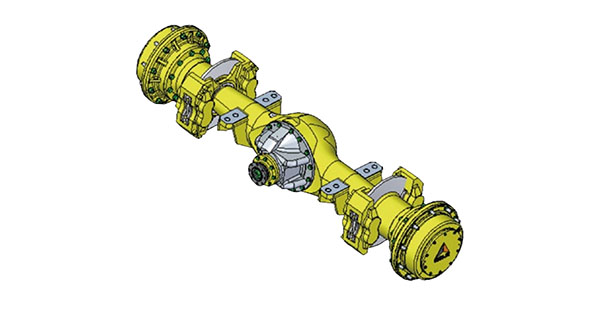 Spare Parts