How to Choose the Best Heavy Equipment Machinery for Your Needs?
Choosing the right Heavy Equipment Machinery is critical for success in construction and heavy industry. The global market for this equipment reached approximately $180 billion in 2021, with projections showing steady growth. Specialized machinery can greatly enhance productivity, but selecting the wrong type can lead to inefficiencies and increased costs.
Understanding your specific needs is essential. Factors such as terrain, project scale, and equipment versatility must be considered. For example, compactors are vital for dense urban sites, while excavators are crucial for large-scale excavations. Data from industry reports indicate that over 70% of heavy machinery users cite suitability for their unique tasks as a key consideration.
Quality and reliability are non-negotiable factors. Equipment downtime can significantly impact project timelines and budgets. Manufacturers like Caterpillar and Komatsu maintain strong reputations for durability. However, even trusted brands can have models that underperform in specific applications. Reflecting on the particular demands of your projects will help ensure that you invest in machinery that genuinely meets your needs.
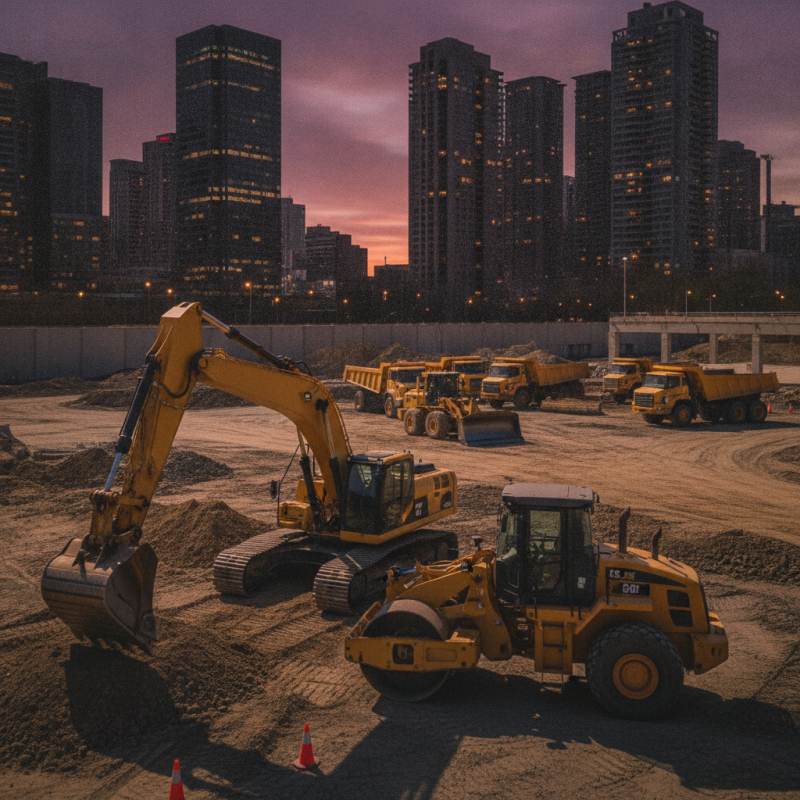
Factors to Consider When Choosing Heavy Equipment Machinery
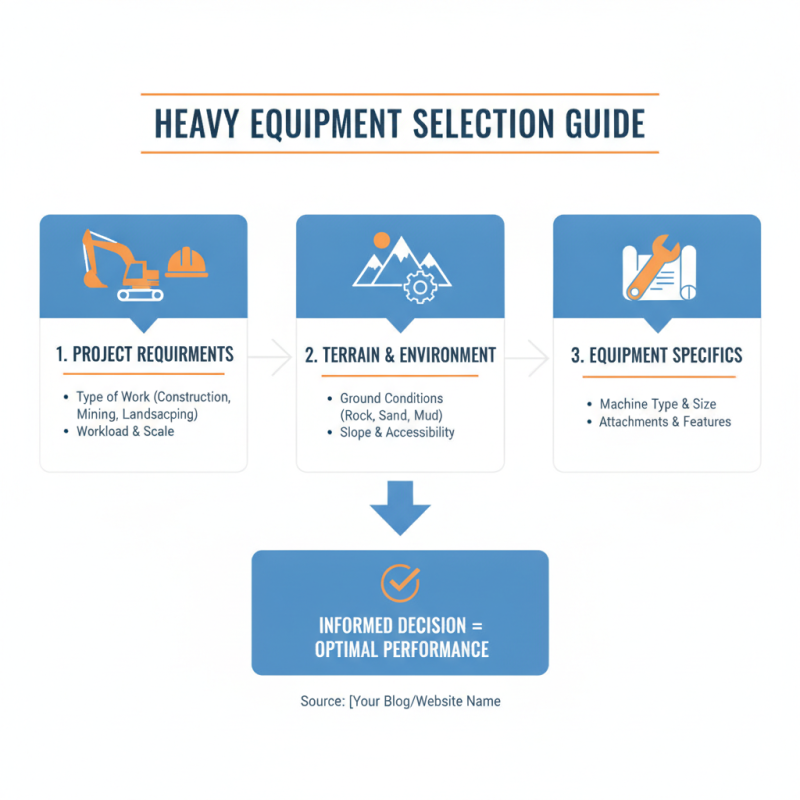
When selecting heavy equipment machinery, several factors should guide your decision. Understanding your specific project requirements is essential. Consider the type of terrain and workload. Equipment needs vary greatly between construction, mining, and landscaping.
Tips: Always evaluate the equipment's lifting capacity. Make sure it fits your tasks well. The right machinery will enhance productivity and efficiency.
Another vital factor is fuel efficiency. Heavy machinery can consume significant fuel. Opt for models known for better efficiency. This choice impacts both your budget and environmental footprint.
Tips: Investigate maintenance costs. Sometimes, cheaper machinery incurs higher upkeep expenses. Evaluate total ownership costs over time.
Lastly, don’t forget about operator comfort and safety features. Poor ergonomics can lead to operator fatigue. Ensure the machine has a user-friendly control setup.
Tips: Test equipment if possible. A hands-on approach reveals real comfort and usability. This experience is invaluable for making an informed choice.
Understanding Different Types of Heavy Equipment and Their Applications
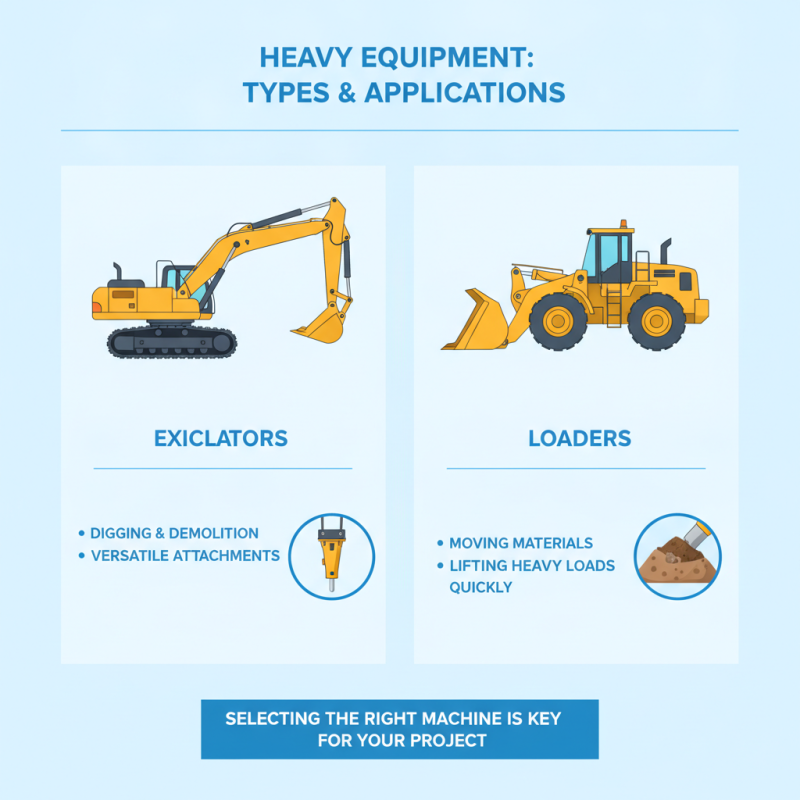
When selecting heavy equipment, understanding the different types is crucial. Excavators are versatile machines often used for digging and demolition. They can extend their reach with various attachments, making them suitable for various tasks. Loaders, on the other hand, excel at moving materials. Their bucket design helps in lifting heavy loads quickly. Each machine serves a specific purpose, and knowing how they fit into your project is key.
Telehandlers are useful for reaching high places and carrying loads over obstacles. They combine features of both forklifts and cranes, adding flexibility to construction sites. Cranes are vital for lifting heavy materials, especially in vertical constructions. Their ability to maneuver heavy loads with precision sets them apart. It can be overwhelming to choose the right machinery when every project is unique.
Assessing the terrain and material type is essential. Some equipment may perform poorly on uneven ground. Also, consider operator skill levels when selecting machinery. It’s important to ensure that your crew is trained adequately. Mistakes in choice can lead to delays or increased costs. Balancing machine capabilities with project demands requires reflection and careful planning.
Evaluating Performance Metrics: Power, Capacity, and Efficiency in Heavy Machinery
Choosing the right heavy equipment machinery requires a thorough understanding of performance metrics. Power is a major factor to consider. The Society of Automotive Engineers (SAE) states that the engine's power rating directly impacts productivity. Higher horsepower typically allows for more effective operation in tough conditions. This aspect is crucial for construction sites where efficiency is paramount.
Capacity is another critical metric. It defines how much material the equipment can handle at one time. The Construction Industry Institute reports that machinery with higher capacity can significantly reduce operational downtime. For instance, a loader with a capacity of 10 tons will outperform one with 5 tons, especially in large projects. This can lead to substantial time and cost savings.
Efficiency is often overlooked but vital in equipment selection. A well-calibrated machine will not only perform better but also consume less fuel. According to a report from the Equipment Industry Association, machines that achieve higher fuel efficiency can reduce operating costs by up to 30%. However, many operators may not prioritize this metric, leading to higher expenses than necessary. Understanding these dynamics is essential in selecting machinery that meets specific needs.
Budgeting for Heavy Equipment: Costs, Maintenance, and Financing Options
Budgeting for heavy equipment involves careful planning and foresight. Costs can vary significantly based on the type and functionality of the machinery. It's crucial to account for initial purchase prices, which can be substantial. Many buyers fail to consider long-term financial implications. Maintenance costs can add up, influencing overall budgeting decisions.
Regular upkeep is essential to keep heavy equipment running efficiently, and this can be costly. Neglect can lead to expensive repairs and downtime. It's worth investing in quality maintenance plans. Financing options are also available. Leasing might provide immediate access without high upfront costs. However, buyers should evaluate how each option aligns with their financial situation.
Understanding these elements creates a clearer picture of long-term expenses. Effective budgeting not only saves money but can also boost productivity. Many entrepreneurs overlook the hidden costs that come with ownership. Recognizing these areas enables better decision-making, leading to smarter investments in heavy machinery.
Assessing Manufacturer Reputation and Warranty Support in Equipment Selection
When choosing heavy equipment machinery, evaluating the manufacturer’s reputation is crucial. A strong reputation often indicates reliability and quality.
Research shows that over 70% of buyers prioritize brand reputation in their decisions. Customer reviews, industry ratings, and testimonials serve as valuable resources. They reflect the experiences of others in the field.
Warranty support also plays a vital role. A comprehensive warranty can save significant costs on repairs and maintenance. According to industry reports, equipment with warranties last longer and perform more effectively.
A five-year warranty typically correlates with fewer service issues. Customers should seek equipment offering robust support after sale. Additionally, it’s important to consider the availability of parts and service.
Be wary of choosing solely based on price. A lower initial cost might mean higher long-term expenses due to repairs. Sometimes, taking the cheapest option can lead to issues.
Invest time in assessing all aspects, not just the price tag. After all, the right equipment should align with your operational needs and stand the test of time.

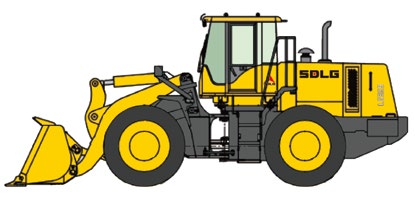 Wheel Loader
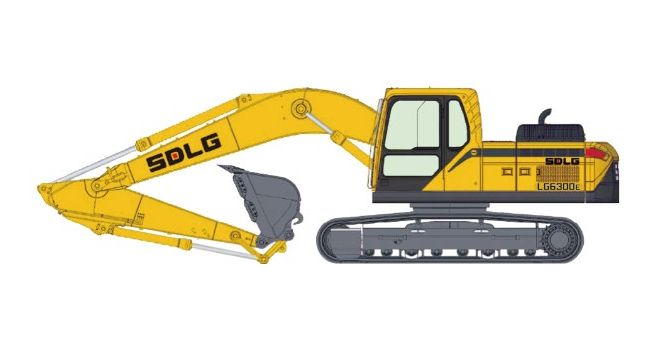 Excavator
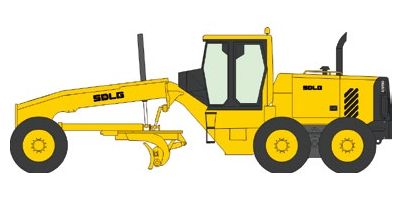 Motor Grader
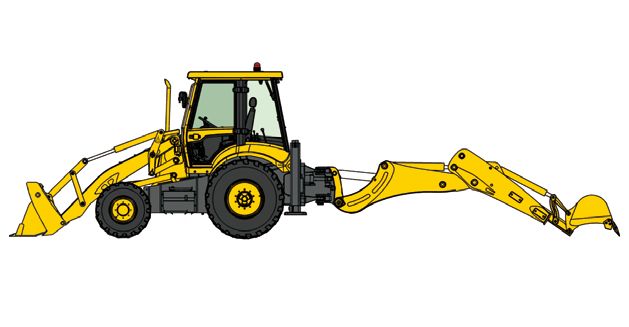 Backhoe Loader
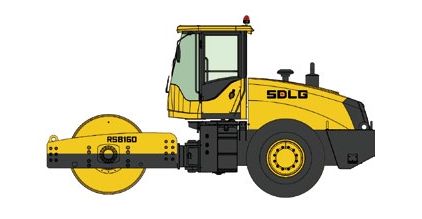 Road Roller
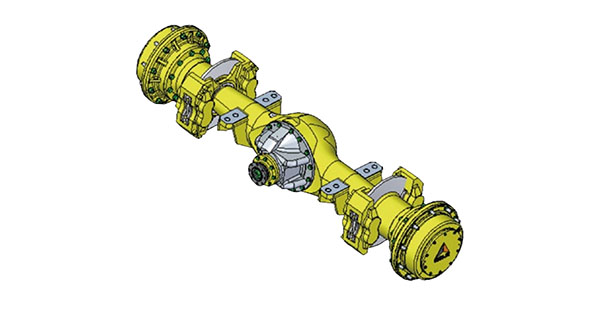 Spare Parts