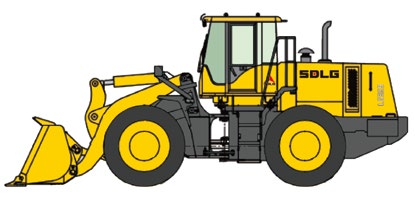
 Wheel Loader
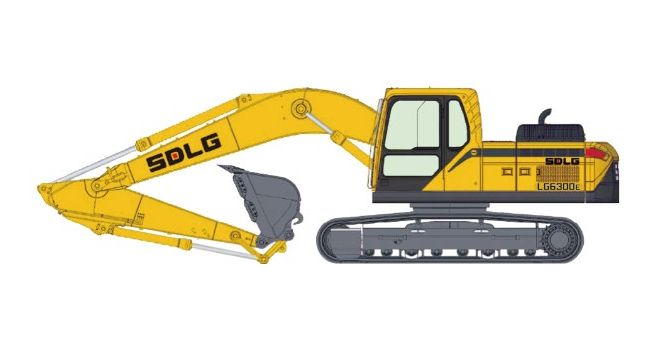 Excavator
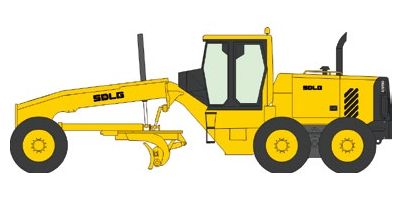 Motor Grader
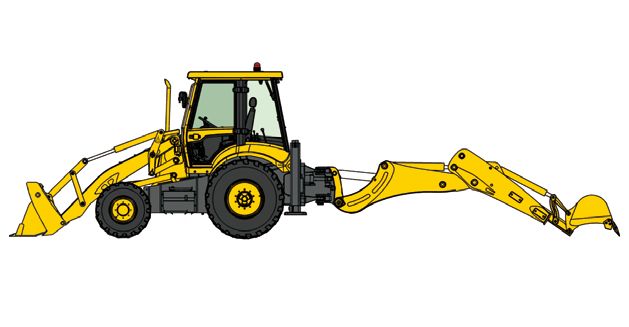 Backhoe Loader
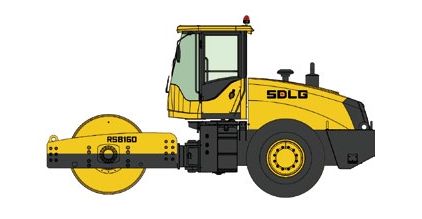 Road Roller
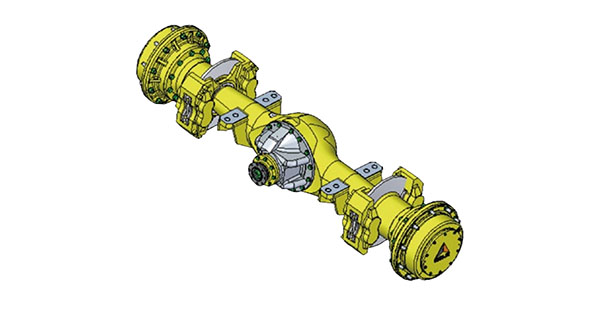 Spare Parts
Leave Your Message
Excavators rarely fail beside a fully equipped workshop. They stop beside muddy trenches, crowded roads, and remote quarry benches. That reality makes a Mobile Excavator Mechanic essential for contractors, rental fleets, mines, and infrastructure teams. These specialists bring diagnostic scanners, hydraulic test kits, filters, hoses, and practical judgment directly to the machine.
Grand View Research valued the global excavator market at approximately USD 63.14 billion in 2023. Its report also projects continued growth through 2030, driven by construction, mining, and infrastructure investment. Growing fleets create more service demand. They also expose a difficult truth: market growth does not guarantee reliable repair quality.
Professional maintenance records show why response time matters. A leaking boom cylinder can reduce lifting capacity within hours. A blocked fuel filter can turn a productive workday into an expensive recovery job. Caterpillar’s condition-monitoring guidance emphasizes early detection of abnormal temperature, pressure, and vibration patterns. That approach supports preventive decisions, not just emergency repairs.
As heavy-equipment author Keith Haddock has observed, “An excavator is productive only when it is working.” The wording is simple. The business impact is not. A credible mobile technician must explain the fault, document the repair, and identify the cause behind repeated failure. No ranking is perfect. Service coverage, certification, parts access, safety procedures, and customer feedback can change quickly.
This guide examines ten leading Mobile Excavator Mechanic services worldwide. It considers field experience, diagnostic capability, response coverage, transparent pricing, and support for different excavator brands. Some providers look impressive online but offer limited remote coverage. That detail deserves closer inspection.

10 Best Mobile Excavator Mechanic Services Worldwide?
Global service quality depends on the mechanic model, not only location. The ten strongest models cover different field conditions. Emergency roadside repair handles sudden hydraulic leaks and broken tracks. Scheduled mobile maintenance replaces filters, checks fluids, and records wear. Hydraulic diagnostics uses pressure gauges and temperature readings. Electrical fault response tests batteries, sensors, and wiring. Undercarriage service measures rollers, idlers, and track tension. These services suit active construction sites with limited workshop access.
Engine and cooling repair prevents overheating during heavy digging. Attachment service restores buckets, breakers, augers, and quick couplers. Fleet maintenance supports several excavators through planned visits and shared inspection records. Remote diagnostic support guides local technicians through fault codes and test procedures. Rebuild teams complete larger repairs beside the machine when transport is impractical. Experienced mechanics should confirm machine history, operating hours, and previous repairs before replacing parts. Guessing can become expensive.
Tips: Ask for a written inspection scope before work begins. Request pressure readings, damaged-part photos, and clear labor estimates. Keep the excavator on stable ground, isolate stored energy, and use proper lifting equipment. A useful mechanic explains risks in plain language and admits uncertainty when evidence is incomplete. Check response distance, technician qualifications, parts availability, warranty terms, and after-service records. Cheap travel fees may hide longer downtime. Be careful.
| Rank | Mobile Mechanic Service Model | Primary Service Scope | Typical Excavator Types | Common Response Window | Core Diagnostic and Repair Capabilities | Typical Operating Environment | Commercial Basis | Key Selection Criteria |
|---|---|---|---|---|---|---|---|---|
| 1 | Emergency Breakdown Response Unit | On-site troubleshooting, temporary recovery, failed-component assessment, and urgent repair. | Mini excavators Midi excavators Crawler excavators | Same day where local coverage and road access are available; remote areas may require longer mobilization. | Electrical faults, hydraulic leaks, overheating, starting problems, hose replacement, fluid checks, and basic mechanical repairs. | Construction sites, road projects, utility works, and quarries. | Call-out fee plus travel, labor, parts, fluids, and any recovery equipment. | 24-hour availability, technician travel radius, emergency inventory, safety procedures, and transparent overtime rates. |
| 2 | Preventive Maintenance Route Service | Scheduled field maintenance based on operating hours, calendar intervals, and manufacturer service practices. | Compact excavators Standard excavators Long-reach excavators | Usually booked several days to several weeks in advance. | Engine oil and filter service, hydraulic filter replacement, grease service, track inspection, belt checks, fluid sampling, and condition reporting. | Equipment fleets operating across multiple jobsites. | Fixed maintenance package, hourly labor, or fleet service agreement. | Service checklists, maintenance records, fluid-handling controls, parts availability, and recurring scheduling. |
| 3 | Hydraulic System Specialist | Diagnosis and repair of hydraulic pumps, motors, valves, cylinders, hoses, and control circuits. | Crawler excavators Mining excavators Material handlers | Typically scheduled within one to five business days, depending on specialist availability. | Pressure and flow testing, contamination checks, hose fabrication, cylinder resealing, valve testing, and hydraulic performance analysis. | Heavy construction, demolition, mining, recycling, and material-handling operations. | Diagnostic labor, test equipment charge, parts, fabrication, and overhaul work. | Calibrated test instruments, cleanliness controls, hydraulic expertise, replacement seals, and documented test results. |
| 4 | Electrical and Electronic Diagnostics Unit | Fault tracing for wiring, sensors, displays, controllers, charging systems, and machine communication circuits. | Modern excavators Hybrid excavators Telematics-equipped machines | Usually arranged within one to three business days; urgent call-outs may be available in major service regions. | Battery and alternator testing, harness inspection, sensor verification, controller diagnostics, data extraction, and communication fault checks. | Urban construction, rental fleets, infrastructure projects, and large contractors. | Diagnostic fee, hourly labor, replacement components, software access, and travel expenses. | Qualified diagnostic personnel, current service information, safe electrical practices, and secure handling of machine data. |
| 5 | Undercarriage and Track Service Team | Inspection, adjustment, replacement, and field repair of tracks and undercarriage components. | Crawler excavators Tracked carriers Compact tracked machines | Commonly scheduled within several days; urgent work depends on parts and lifting requirements. | Track tension adjustment, sprocket and idler inspection, roller replacement, track-chain work, frame checks, and travel-motor assessment. | Earthmoving, forestry, demolition, pipeline, and off-road projects. | Inspection fee plus labor, components, lifting support, and transport of heavy tools. | Undercarriage measuring tools, safe lifting equipment, component sourcing, and documented wear measurements. |
| 6 | Engine and Powertrain Field Technician | Mechanical diagnosis and repair of diesel engines, cooling systems, fuel systems, and driveline-related components. | Medium excavators Large excavators Special-purpose excavators | Often available within one to several business days, subject to diagnostic complexity and parts supply. | Starting and combustion checks, cooling-system testing, fuel-pressure testing, belt and hose service, turbocharger assessment, and engine performance checks. | Remote construction sites, aggregates operations, ports, and industrial projects. | Hourly labor, diagnostic testing, travel, replacement parts, and subcontracted machining when required. | Engine diagnostic capability, emissions compliance awareness, spill prevention, and access to heavy-duty tools. |
| 7 | Attachment and Work-Tool Service | Maintenance and repair of buckets, breakers, grapples, augers, shears, quick couplers, and auxiliary circuits. | Demolition excavators Utility excavators Forestry excavators | Usually booked within two to seven business days, with emergency support depending on the tool and site. | Pin and bushing inspection, wear-part replacement, attachment welding, hydraulic auxiliary-line testing, coupler checks, and alignment inspection. | Demolition, landscaping, recycling, forestry, utility, and agricultural work. | Inspection and labor charges, welding or fabrication time, wear parts, and hydraulic components. | Welding qualifications, attachment-specific knowledge, safe isolation procedures, and replacement wear-part availability. |
| 8 | Remote-Site and Fleet Mobile Workshop | Comprehensive field repairs delivered from a truck, trailer, or containerized workshop for dispersed equipment fleets. | Mixed excavator fleets Heavy excavators Support equipment | Planned mobilization may take several days or longer, especially for remote or cross-border locations. | Multi-system diagnostics, welding, machining support, hydraulic repairs, scheduled maintenance, inspections, and minor component rebuilding. | Mining, remote infrastructure, energy, forestry, and large civil-engineering projects. | Mobilization charge, daily or hourly labor, camp and logistics costs, parts, and project-based pricing. | Workshop capacity, power generation, lifting capability, spare-parts planning, safety management, and remote logistics experience. |
| 9 | Inspection, Commissioning, and Condition-Assessment Service | Pre-purchase inspection, post-repair verification, commissioning, safety checks, and machine condition reporting. | Used excavators Newly delivered machines Fleet assets | Normally scheduled in advance; inspections can often be arranged within several business days. | Visual inspection, operational testing, fluid and leak checks, structural review, attachment checks, hour-meter review, and photographic reporting. | Equipment purchases, auctions, rental fleets, insurance assessments, and project handovers. | Fixed inspection fee, travel charge, and optional laboratory or specialist testing. | Independent reporting, clear inspection criteria, calibrated measurement tools, photographs, and conflict-of-interest disclosure. |
| 10 | Rebuild, Welding, and Structural Repair Specialist | Field repair of booms, arms, frames, buckets, guards, mounting points, and other structural components. | Large excavators Demolition machines High-hour equipment | Usually requires inspection and planning; repair duration ranges from one shift to multiple weeks. | Crack inspection, structural welding, line boring coordination, reinforcement, bushing replacement, fabrication, and post-repair measurement. | Quarries, demolition sites, ports, mines, recycling facilities, and heavy civil works. | Inspection and engineering assessment, labor, welding consumables, machining, fabricated parts, and project management. | Qualified welders, repair procedures, non-destructive testing options, dimensional controls, and documented safety methods. |