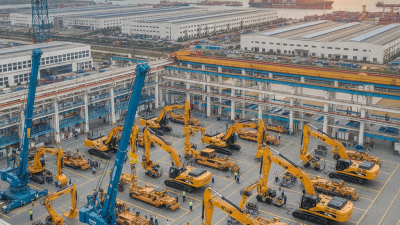
What Does a Heavy Equipment Operator Do and Why Is It Important?
Heavy Equipment Operators play a vital role in various industries, ensuring projects run smoothly and safely. According to the Bureau of Labor Statistics, there were over 400,000 Heavy Equipment Operators in the United States as of 2022. This number showcases the demand for skilled workers who can handle complex machinery. As construction continues to boom, the need for operators will only grow.
Expert John Smith, a leading voice in the industry, states, “Heavy Equipment Operators are the backbone of construction.” This statement underscores the critical nature of their work. Operators manage powerful machines like bulldozers, excavators, and cranes, often in challenging environments. Their expertise helps shape our infrastructure, from roads to bridges.
However, the profession faces challenges such as safety risks and the need for continual training. Operators must be adaptable and skilled to tackle evolving technologies and safety standards. The impact of their work is significant, yet often goes unnoticed until a project is completed. Heavy Equipment Operators deserve recognition not just for the machines they operate, but for the essential services they provide to society.
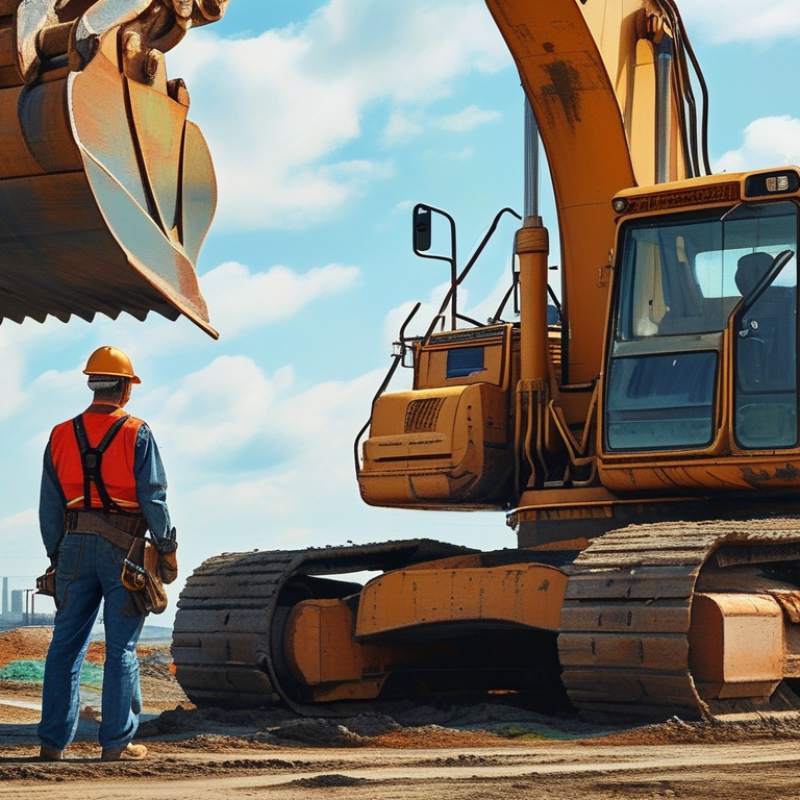
Role and Responsibilities of a Heavy Equipment Operator
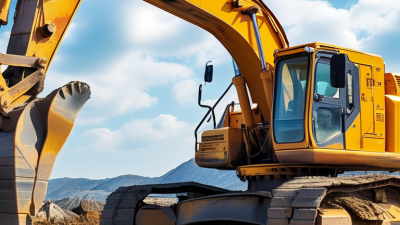
Heavy equipment operators play a crucial role in construction and other industries. They manage machines like excavators, bulldozers, and cranes. Their primary responsibility involves operating these large machines safely and efficiently. They must understand how to read blueprints and site plans. Communication with other team members is vital. Operators often work in dynamic environments, requiring adaptability.
Training is essential for these operators. Many undergo formal training programs to learn equipment handling and safety protocols. A keen eye for detail is necessary to spot potential hazards while managing heavy machinery. Even experienced operators face challenges. For example, poor weather can affect visibility and ground conditions. Adjustments must be made to ensure safety and continue productivity.
Additionally, operators are sometimes tasked with routine maintenance checks. They must keep their machines in top condition, checking fluid levels and looking for wear. This aspect of the job can be time-consuming but is critical. Neglecting maintenance can lead to operational failures, risking both time and safety. Operators should reflect on their practices regularly. Continuous improvement is vital for long-term success in this field.
Types of Heavy Equipment Operated and Their Uses
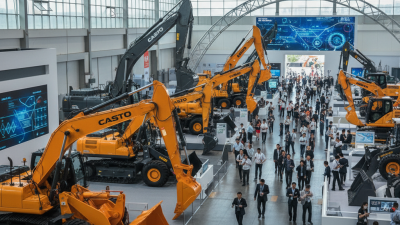
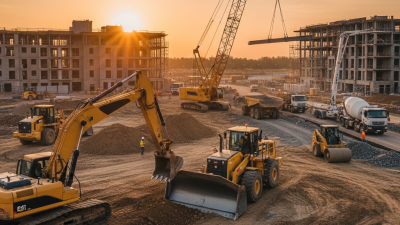
Heavy equipment operators play a crucial role in construction, mining, and other industries. They control machines that perform tasks like digging, lifting, and grading. Common types of heavy equipment include bulldozers, excavators, and cranes. Each machine serves different functions and requires specific skills to operate effectively.
Bulldozers are essential for moving large quantities of earth. They create paths and clear debris. Excavators have a long arm and are great for digging deep holes. Cranes, on the other hand, lift heavy materials to high places. Each operator should understand how to manage these machines safely and efficiently.
Tips: Always perform a pre-operation inspection. This helps identify potential issues before they become serious. Consider taking additional training to stay updated with safety standards. Heavy equipment operation can be dangerous; stay alert and avoid distractions. Lastly, maintain open communication with your team. This ensures everyone is aware of equipment movements.
Skills and Training Required for Heavy Equipment Operators
Heavy equipment operators play a crucial role in construction and maintenance projects. They are responsible for operating machinery like bulldozers, excavators, and cranes. To perform these tasks effectively, certain skills and training are essential. Operators must understand machinery and safety protocols. Knowledge of site conditions is critical, too.
Training typically includes hands-on experience and formal education. Many operators start with vocational school programs. Certification is often required, ensuring safety standards are met. Operators should develop problem-solving abilities. They must be adaptable as conditions change quickly on job sites. Teamwork is also important, as they frequently coordinate with others.
Experience is invaluable in this field. Operators learn to handle equipment through practice. Mistakes can happen, and reflecting on them is vital for improvement. Staying updated on new technologies is a challenge. Operators need to balance expertise with continuous learning. This combination makes them reliable workers in demanding environments. The importance of their role cannot be overstated.
Skills and Training Required for Heavy Equipment Operators
Importance of Heavy Equipment Operators in Construction and Industry
Heavy equipment operators play a crucial role in construction and industrial sectors. They manage large machinery like excavators, bulldozers, and cranes. According to the Bureau of Labor Statistics, about 463,000 people in the U.S. are employed as heavy equipment operators. This workforce is essential for building infrastructure, such as roads, bridges, and buildings.
In construction, the precision of equipment operators can directly affect project timelines and costs. A report from the Associated General Contractors of America states that project delays due to equipment misuse can increase expenses by 10-20%. Proper training and certification are vital. However, not all operators have the necessary skills. An estimated 25% of operators lack formal training, leading to safety risks and potential accidents on job sites.
The importance of heavy equipment operators cannot be overstated. They ensure that projects are completed efficiently and safely. Their knowledge of machinery allows them to identify potential issues before they escalate. Yet, the industry still faces challenges. The ongoing shortage of skilled workers is a pressing concern. Continuous education and investment in training are necessary to address this gap.
Safety Measures and Regulations for Heavy Equipment Operation
Heavy equipment operators play a crucial role in construction and excavation projects. Yet, their work comes with significant risks. To mitigate these risks, operators must follow strict safety measures and regulations. Wearing appropriate personal protective equipment (PPE) is essential. Hard hats, gloves, and steel-toed boots can prevent serious injuries from falling objects and crushing accidents.
Understanding equipment limits is another critical aspect of safe operation. Each machine has specific weight capacities and operational limits that, when exceeded, can lead to accidents. Proper training is vital. Operators need to be familiar with their equipment and local regulations. Regular inspections of machines ensure that they are functional and safe to operate.
Despite these measures, accidents can still happen. Sometimes, complacency sets in. Experienced operators might overlook safety protocols. This tendency can lead to tragic outcomes. Continuous training and adherence to regulations not only enhance safety but also create a culture of responsibility. Reflecting on past incidents can guide better practices for the future.
What Does a Heavy Equipment Operator Do and Why Is It Important? - Safety Measures and Regulations for Heavy Equipment Operation
| Aspect |
Details |
| Job Title |
Heavy Equipment Operator |
| Primary Responsibilities |
Operating bulldozers, excavators, cranes, and other machinery |
| Importance |
Essential for construction, mining, and other industrial projects |
| Safety Measures |
Regular training, use of Personal Protective Equipment (PPE), safety checks |
| Regulations |
Compliance with OSHA standards and local safety regulations |
| Skills Required |
Technical skills, problem-solving, physical fitness |
| Work Environment |
Mostly outdoor settings in various weather conditions |
| Average Salary |
$45,000 - $75,000 per year depending on experience and location |

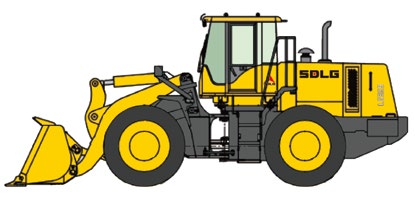 Wheel Loader
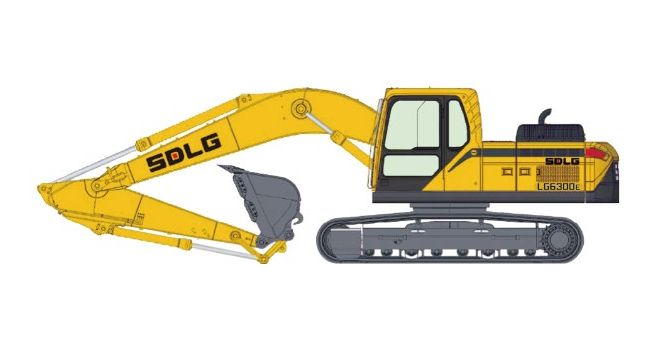 Excavator
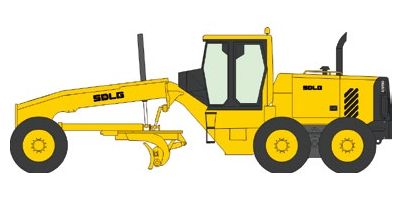 Motor Grader
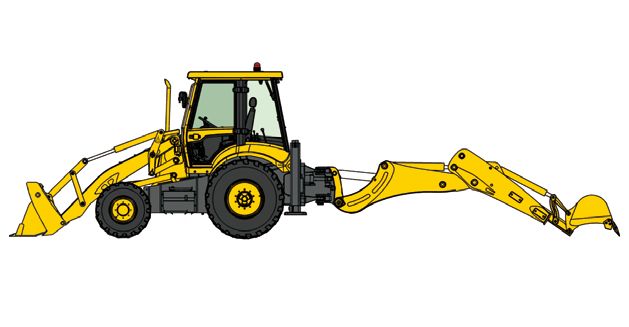 Backhoe Loader
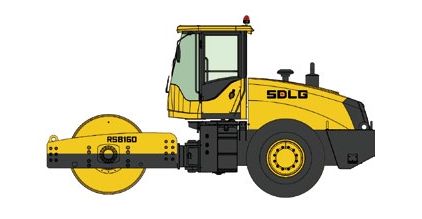 Road Roller
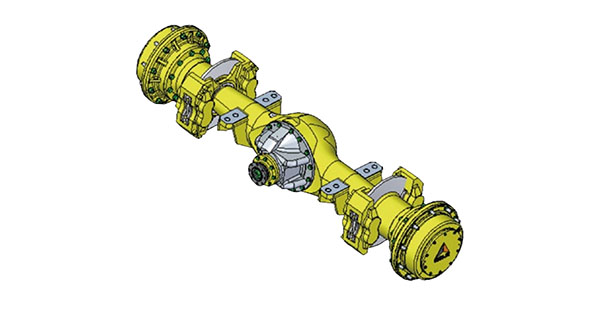 Spare Parts